
Complete Guide to Afghan Dried Fruits and Nuts

Afghanistan is one of the world’s largest producers of dried fruits and nuts, yet most consumers outside the region have never tasted the genuine article. The dried fruit sold in Western supermarkets is almost always heavily processed — sulphured to preserve colour, sweetened with added sugar, coated in vegetable oil to prevent clumping, and packaged primarily for shelf life rather than flavour. Afghan dried fruit is none of these things. It is sun-dried in the open air, unsulphured, unsweetened, and unoiled, and the difference in taste is dramatic.
White Mulberries
Afghan white mulberries are one of the most distinctive and least known dried fruits in the world. They are harvested from ancient mulberry trees — some of them hundreds of years old — and dried on the branch in the sun until they are pale, lightweight, and intensely sweet with a flavour that falls somewhere between honey and caramel. They bear no resemblance whatsoever to fresh mulberries, which are soft, juicy, and mildly tart. The drying process transforms the fruit entirely, concentrating the natural sugars and producing a crunchy, almost biscuit-like texture. Nutritionally, dried white mulberries are exceptionally high in iron, vitamin C, and dietary fibre, and they contain significant amounts of resveratrol, the same antioxidant compound found in red wine. They make an excellent snack on their own, a superb addition to granola and trail mix, and a natural sweetener for oatmeal and yoghurt.
Green Raisins
Most of the world’s raisins are sun-dried, which oxidises the grape skin and turns the fruit dark brown or black. Afghan green raisins — particularly those from Herat Province — are produced by a different method. The grapes are dried in specially constructed mud-brick drying houses called kishmish khanas, which provide shade, controlled ventilation, and protection from dust and insects. The absence of direct sunlight preserves the green colour of the grape skin and produces a raisin that is tart, firm, and much more flavourful than the soft, sweet, dark raisins most people are accustomed to. Green raisins are prized in Afghan cooking for their ability to cut through the richness of lamb and rice dishes. They are a key ingredient in kabuli pulao and are scattered over roasted meats and grain salads as a sweet-tart counterpoint.
Kandahar Almonds
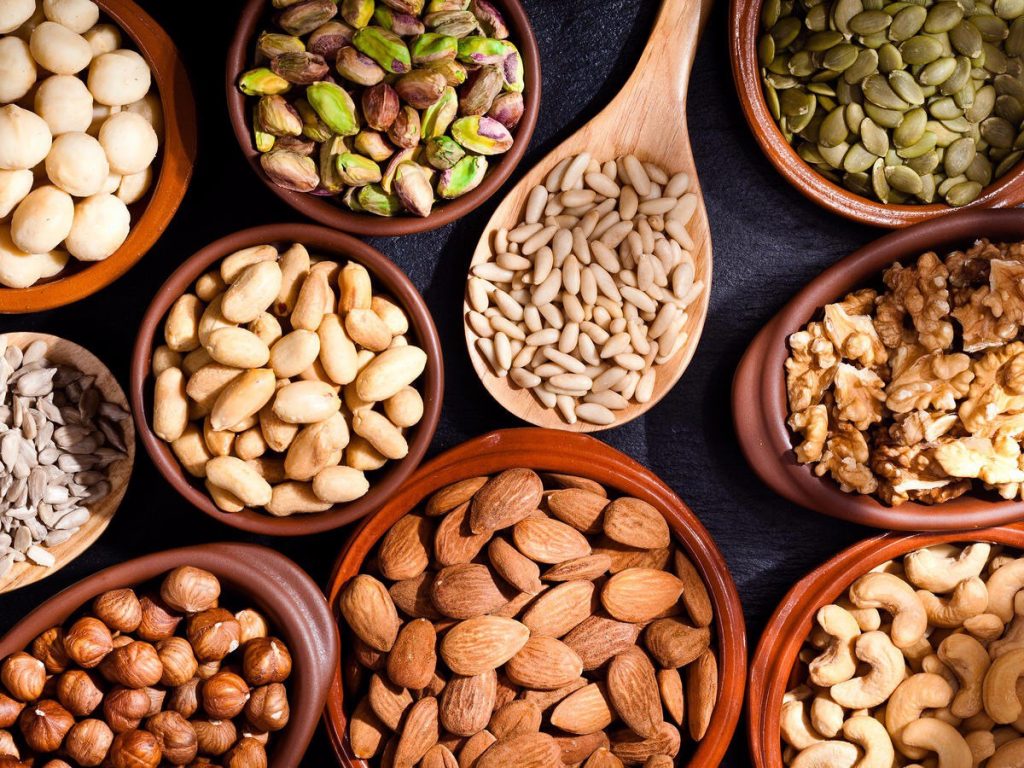
The almonds of Kandahar Province are smaller than the California almonds that dominate the global market, but their flavour is markedly more intense — sweeter, more aromatic, and with a higher oil content that gives them a richer, creamier texture. The trees grow in orchards irrigated by ancient canal systems in the arid plains around Kandahar city, where extreme heat and cold nights stress the trees in ways that concentrate the oils and sugars in the nut. Kandahar almonds are best eaten raw, straight from the shell, to appreciate their natural sweetness and butteriness. They are also excellent lightly toasted — spread on a baking tray and roasted at 160 degrees for ten to twelve minutes until just fragrant. Avoid roasting them in oil or coating them in salt, which masks the very qualities that make them special.
Pistachios
Afghan pistachios, particularly those from Badghis Province in the northwest, are smaller and more irregularly shaped than the large, uniform pistachios sold in American and European supermarkets. But what they lack in cosmetic appeal they more than make up for in flavour. Afghan pistachios have a concentrated, earthy, almost resinous taste that is far more complex than the bland, salty crunch of commercially processed nuts. They are sold unsalted and in the shell, and the act of cracking each one open is part of the experience. Afghan pistachios are a staple of the dastarkhan — the spread of food set out for guests — and they are used as a garnish for rice dishes, desserts, and tea.
Dried Apricots
If the dried apricots you are used to eating are bright orange, soft, and uniformly coloured, they have been treated with sulphur dioxide — a preservative that maintains the fresh colour of the fruit but adds a faintly chemical aftertaste and can trigger reactions in people sensitive to sulphites. Afghan dried apricots are processed without any sulphur treatment. As a result, they are dark brown, slightly leathery on the outside, and soft and almost jammy within. The flavour is completely different from sulphured apricots — deeper, more caramelised, with notes of toffee and dried honey. The dark colour is the honest colour of a sun-dried apricot, and it is a reliable indicator that the fruit has been processed naturally.
Pine Nuts (Chilgoza)
Afghan pine nuts, known locally as chilgoza, are harvested from wild Pinus gerardiana trees that grow in the high mountains of eastern Afghanistan, particularly in Nuristan, Kunar, and Paktia provinces. Unlike the short, stubby Mediterranean pine nuts used in Italian pesto, Afghan chilgoza are long, slender, and torpedo-shaped, with a distinctive resinous, buttery flavour and a slightly chewy texture. They are gathered by hand from wild trees growing on steep mountain slopes — there are no chilgoza plantations — which is why they cost more than commercial pine nuts and why the supply is limited and seasonal. Chilgoza are eaten raw as a snack, added to rice pilafs, and used as a garnish for meat dishes and desserts.
How to Store Dried Fruits and Nuts
All dried fruits and nuts should be stored in an airtight container in a cool, dry place, away from direct sunlight. At room temperature, most dried fruits will keep for four to six months after opening; nuts for three to four months. Refrigeration extends the life of both significantly — up to a year for most varieties. Freezing works well for nuts but can soften the texture of some dried fruits, particularly mulberries. Once opened, reseal the container tightly after each use. Moisture is the primary enemy of dried fruit and the fastest route to mould.
Order authentic Afghan dried fruits and nuts at AfghanOutlet, packed at source and shipped directly to your door with no additives, no sulphur, and no added sugar.